Polynucleotides — Face
£400 per session
Face, neck, décolletage and hands. 2 ml intradermal per session. A course of three sessions is standard for most skin; four for more mature skin. Sessions are spaced 14–21 days apart.

From £350
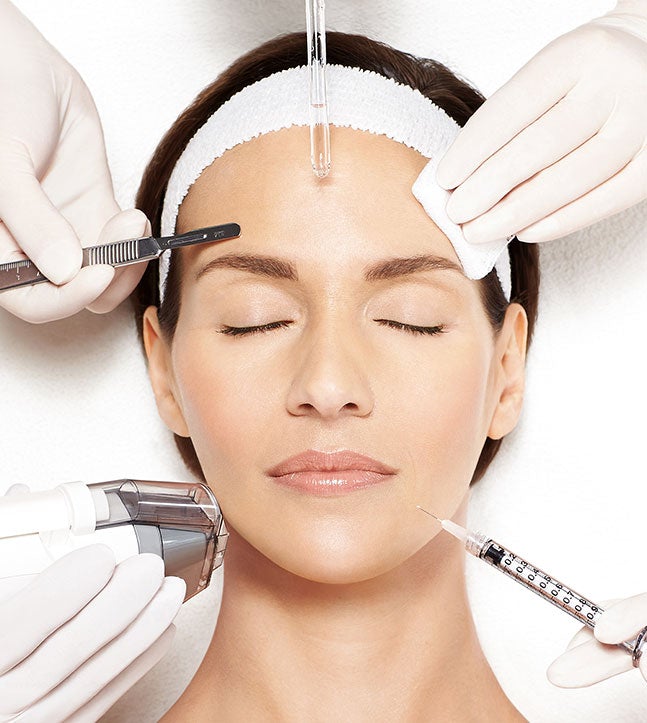
Polynucleotides are a new generation of regenerative injectable treatment. Instead of adding volume or filling a line, they work with the skin’s own biology — purified DNA fragments are injected into the dermis to trigger repair pathways, boost hydration, and support the natural production of collagen and elastin.
At Medipro Clinics we use PhilArt injectable polynucleotides, a medical-grade treatment developed for use on the face, under-eyes, neck, décolletage and hands. Sun damage, scarring and lifestyle stressors quietly change skin quality over time — polynucleotides help restore a smoother, firmer, more radiant texture from within.
Polynucleotides are a strong choice if you want to improve the quality of your skin rather than change its shape. It suits clients who are starting to notice dullness, crepiness, fine lines or early laxity; those seeking a treatment for thin, delicate under-eye skin where fillers can be risky; and anyone using polynucleotides alongside Profhilo, filler, or laser as part of a wider plan.
Three options depending on the area you want to treat. Courses reduce the per-session cost.
£400 per session
Face, neck, décolletage and hands. 2 ml intradermal per session. A course of three sessions is standard for most skin; four for more mature skin. Sessions are spaced 14–21 days apart.
£350 per session
Eye contour, brow arches and delicate areas. 1–2 ml per session, spaced 14–21 days apart, over 3–4 sessions.
£900 for 3 eye sessions
Three under-eye treatments plus aftercare, bundled. Saves £150 compared to booking sessions individually.
PhilArt polynucleotides are well suited to areas where skin quality — not volume — is what you want to improve.
Full face (forehead, cheekbones, brow arches)
Under-eye and periorbital area
Neck and jawline
Décolletage
Backs of the hands
Targeted scar-improvement areas
A full skin and medical consultation with the Medipro team to confirm polynucleotides are right for you, agree the area of focus, and set realistic expectations for the course.
Topical anaesthetic is applied. Polynucleotides are injected into the dermis using a micro-droplet or linear retrograde technique, depending on the area. Sessions take around 30 minutes.
Sessions are repeated every 2–3 weeks across 3–4 visits. Hydration and glow show early; firmness and texture continue to improve for weeks after the final session as collagen and elastin build.
Polynucleotides are well tolerated by the vast majority of clients. Small bumps at each injection point are visible immediately after treatment and usually settle within a few hours. Mild redness, minor bruising or short-lived swelling can occur — particularly around the eyes, where the skin is thinner.
There is minimal downtime. Most people return to their day straight away. Full written aftercare is provided in clinic; key points include avoiding heavy exercise, alcohol, saunas and makeup on the treated area for 24 hours.
Polynucleotides work well alongside Profhilo, dermal filler, laser genesis and microneedling. The Medipro team will build a staged plan during consultation so each treatment reinforces the next rather than overlapping unnecessarily.
Polynucleotides are purified DNA fragments used in injectable form to stimulate the skin’s natural repair and regeneration processes. Rather than adding volume like a traditional filler, polynucleotides improve the skin itself — boosting hydration, elasticity and firmness, and supporting collagen and elastin production over time.
Profhilo is a hyaluronic acid bio-remodelling treatment that focuses on hydration and laxity. Dermal fillers add volume and reshape specific areas. Polynucleotides sit in a different category entirely — they act on the cells themselves, triggering regenerative pathways to improve overall skin quality. Many clients combine polynucleotides with Profhilo or filler as part of a tailored plan.
A typical face course is three sessions spaced 14–21 days apart for normal skin, or four sessions for more mature skin. For under-eye treatment we recommend three to four sessions. Maintenance every six to twelve months is often suggested once the initial course is complete.
A topical anaesthetic is applied before treatment and most clients describe only a mild pinch at each injection point. Small bumps are visible immediately after and usually settle within a few hours. Mild redness, minor bruising or swelling can occur. Most people return to normal activities straight away.
Yes — polynucleotides are particularly well suited to the thin, delicate skin around the eyes, where other injectables can be risky. The treatment hydrates, brightens and helps improve crepiness in the tear trough area over a short course of sessions.
Many clients notice improved hydration and glow within days of the first session. Structural improvements in firmness and texture continue to develop over the full course and in the weeks afterwards as the skin’s own collagen and elastin production increases.
Polynucleotides are not suitable during pregnancy or breastfeeding, if you have an active skin infection in the area, an autoimmune condition affecting the skin, or a known allergy to any component. A full medical consultation is carried out before every treatment to confirm suitability.
BEGIN YOUR JOURNEY
Not sure if polynucleotides are the right fit? A free consultation with the Medipro team is the quickest way to find out. We’ll look at your skin, your goals and your budget, and build a plan that makes sense.